OpenAI’s Agents API Is Durable. Is Your Workflow Recoverable?

OpenAI can keep agent sessions running, but reliable workflows still depend on clear failure states, safe retries, validation, limits and human fallback.
OpenAI can keep agent sessions running, but reliable workflows still depend on clear failure states, safe retries, validation, limits and human fallback.

Find out whether prompt caching cuts your AI API cost per usable result. Compare cache writes, reads, retries and review time, then check the provider's bill.
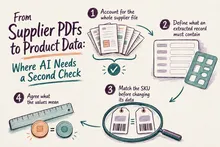
Turn supplier PDFs into product data you can trust. Check file coverage, SKU matches, pack prices and units, then test a small import before updating your catalogue.
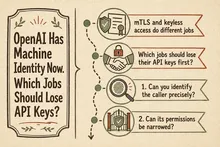
Which OpenAI jobs should replace API keys? Compare X.509, OIDC and mTLS, assess readiness, and plan a practical migration with clear ownership and recovery.
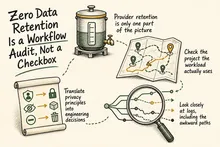
Zero Data Retention covers the provider, not every copy in your stack. See how to audit endpoints, logs, storage, deletion and project-level controls.
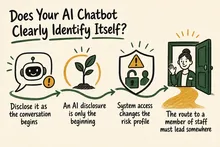
The EU’s transparency requirements for AI chatbots now apply. Here is how to make your bot’s identity clear, limit its system access and provide a genuine route to a member of staff.
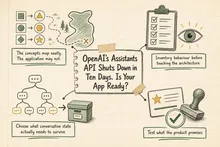
OpenAI’s Assistants API has shut down. Prioritise service recovery, recover useful conversation history, and migrate tools and streaming to the Responses API.
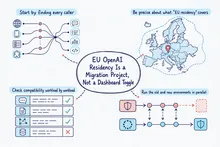
An EU-resident OpenAI API setup needs a new project, regional routing, dependency and state migration, compatibility testing, and clear governance evidence.
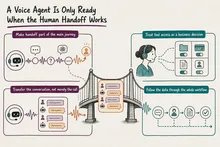
A practical release guide for voice agents: define escalation triggers, preserve context, limit tool access and measure whether human handoffs resolve calls.
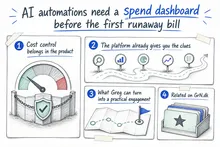
AI automations can burn budget through retries, background agents, and repeated context. Add spend visibility before useful work becomes surprise cost.
Written recommendations from Trafik og Veje, Aarhus Municipality (2011) and AgroTech (2010).
