Drupal 12 Slipped to December. Drupal 10 Still Runs Out of Road
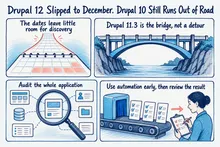
Drupal 12 arrives as Drupal 10 support ends in December 2026. Moving to Drupal 11.3+ first keeps two mandatory upgrades manageable.
Drupal 12 arrives as Drupal 10 support ends in December 2026. Moving to Drupal 11.3+ first keeps two mandatory upgrades manageable.
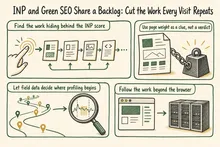
A practical way to combine INP, technical SEO and sustainable web work: find the work every visit repeats, prioritise fixes by customer impact, and prevent regressions.
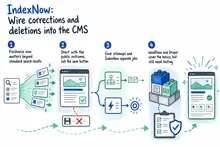
Connect IndexNow to the full CMS lifecycle so corrections, redirects and removals reach search engines quickly—with testing, queues and monitoring.
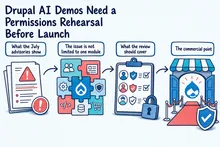
A practical pre-launch checklist for Drupal AI demos covering permissions, approval loops, session isolation, uploads, LLM costs, logging, and rollback.
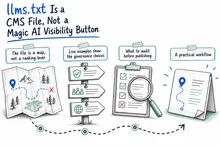
A practical guide to deciding whether llms.txt is worth building, choosing its content, and maintaining it as a reliable CMS output.
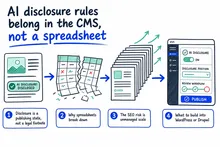
Build AI disclosure and human review into WordPress or Drupal so compliance evidence, editorial accountability, and search quality stay connected.
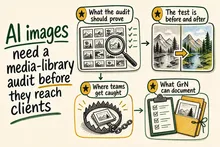
AI-image provenance can change during CMS resizing, optimization, and CDN delivery. Learn how to test the full media path before client approval.
Drupal’s June security fixes reveal where update routines fail. A practical guide to Composer checks, supported versions, staging, and dependable deployment.
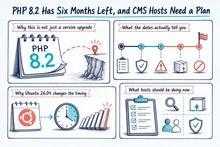
PHP 8.2 support ends on December 31, 2026. Here is a practical plan for testing and migrating WordPress, Drupal, and custom PHP estates.
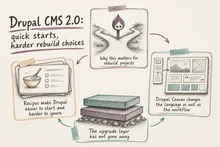
Drupal CMS 2.0 and Canvas give marketing teams a faster start, but successful rebuilds still hinge on content models, governance, integrations, and upgrade planning.
Written recommendations from Trafik og Veje, Aarhus Municipality (2011) and AgroTech (2010).
