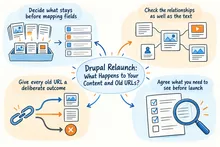
Drupal CMS 2.0 gives marketing teams a much better starting point in Drupal. The implementation work has not disappeared; it has moved into content structure, recipe choices, governance, integrations, and upgrade planning.
MariaDB 10.6 reaches end of life on July 6, 2026. For WordPress and Drupal hosting, that turns older database setups from a background infrastructure detail into a defined upgrade project with version selection, testing, and rollback planning attached.
Drupal 10 has an end-of-life date now: December 9, 2026. That turns upgrade inventory into real delivery work, not a placeholder for later. The official Drupal 11 path makes it clear where projects usually get stuck first: module compatibility, custom code, scaffold changes, PHP, and Composer readiness.
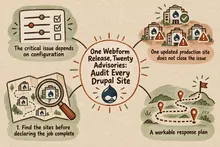
As of June 12, 2026, the old Drupal.org Automatic Updates API is retired and its legacy hash files have expired. If your site still depends on first-generation Automatic Updates assumptions, now is the time to clean up Composer, hosting, and deployment workflows before the next security advisory.
URL parameters are usually added for good reasons, then quietly become a cost center. This version explains, in practical terms, how business owners, operations leads, and agency teams can reduce crawl waste, clean up duplicate URLs, and stop unnecessary cache fragmentation.
Cloudflare debt rarely causes a dramatic outage. More often it shows up as misfiring redirects, unsafe caching, and SEO-sensitive changes that quietly hurt forms, campaigns, and handovers until someone audits the full request path.
Website email now sits inside mailbox-provider rules, DNS hygiene, and application-level decisions. If contact forms, receipts, resets, or support notifications matter to the business, deliverability needs the same operational ownership as uptime or backups.
Speculation Rules have moved into WordPress core, Cloudflare edge settings, and Drupal tooling. That makes speculative loading a practical operations decision about safe routes, cacheability, analytics, consent, and rollout ownership.
Form protection is no longer just a CAPTCHA checkbox. As of May 2026, the practical baseline is layered: low-friction bot checks, mandatory server-side validation, endpoint-level rate limits, and data hygiene that stops junk from polluting sales and CRM workflows.
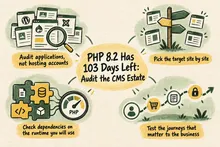
As of May 24, 2026, PHP support deadlines and rising WordPress and Drupal requirements mean CMS upgrades now touch hosting, plugins or modules, CLI tools, and caching layers. A staged stack audit is cheaper than a rushed rescue project.