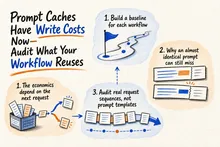
Prompt caching saves money only when requests reuse it. Learn how to spot wasted writes, set useful cache boundaries and measure costs per completed workflow.
Recent content
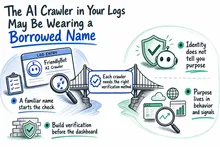
A User-Agent is a claim, not proof. See how to verify AI crawler traffic before it shapes reporting, robots.txt decisions, or WAF exceptions.
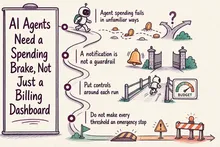
Keep AI agent costs under control with enforced task budgets, retry limits and safe handoffs. A practical guide for business owners, operations leads and agencies.
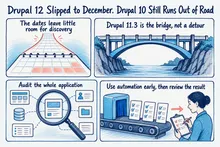
Drupal 12 arrives as Drupal 10 support ends in December 2026. Moving to Drupal 11.3+ first keeps two mandatory upgrades manageable.
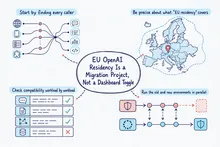
An EU-resident OpenAI API setup needs a new project, regional routing, dependency and state migration, compatibility testing, and clear governance evidence.
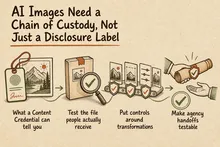
A practical guide to testing C2PA Content Credentials across editing, agency handoffs, CMS processing and CDN delivery without overstating the evidence.
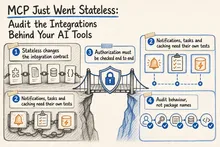
The 28 July 2026 MCP release removes protocol sessions and changes discovery, tasks, caching, OAuth and tracing. A practical guide to auditing the move.
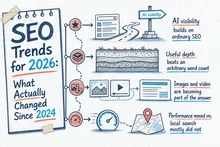
What changed in SEO from 2024 to 2026? A practical plan for AI visibility, Core Web Vitals, local search, measurement and responsible data use.
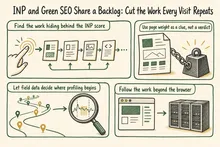
Combine INP, sustainable web work and technical SEO in one evidence-led backlog that cuts repeated browser, network and CMS work without chasing vanity scores.
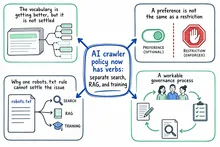
AI crawler rules now need separate decisions for search, RAG, and training, backed by practical testing across robots.txt, CDNs, WAFs, and CMS controls.
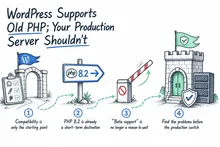
WordPress still runs on legacy PHP, but compatibility is not a security policy. Build and test your upgrade path before PHP 8.2 support ends.
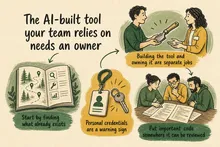
When an AI-built script becomes part of daily work, someone needs to own its access, output, changes, and recovery. Here is a practical way to make that happen.
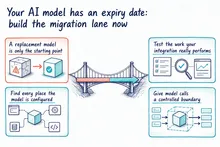
AI models and endpoints retire. Learn how to inventory dependencies, test replacements, run a controlled release and preserve a usable rollback route.
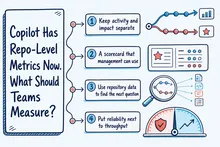
GitHub Copilot’s repo metrics show where AI enters delivery. Connect usage with speed, quality and cost before deciding whether to expand your rollout.
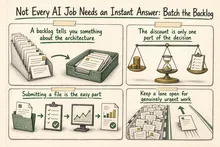
Move delay-tolerant AI work into dependable batch queues to cut processing costs without compromising quality, data controls, or urgent workflows.
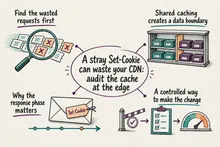
Cloudflare Cache Response Rules can recover wasted CDN capacity, but first you need a route-level audit of public, personal and authenticated responses.
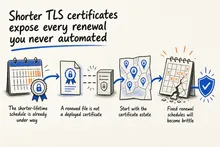
Shorter TLS lifetimes make certificate renewal a frequent production workflow. Learn how to automate validation, deployment, verification, and alerts.
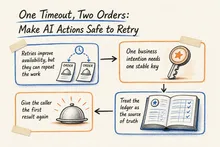
A timeout cannot tell you whether an AI action failed or succeeded. Use stable keys, durable ledgers and reconciliation to prevent duplicate orders.
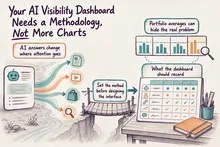
Build a defensible AI visibility dashboard with fixed prompts, repeat testing, separate metrics, raw evidence, and clear ownership for every decision.
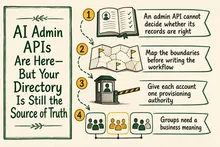
AI admin APIs can automate users, groups, roles and spend controls. Safe governance still starts with authoritative identity data and clear ownership.
Written recommendations from Trafik og Veje, Aarhus Municipality (2011) and AgroTech (2010).
