WordPress.org’s Plugin Cooldown Calls for a Real Update Process
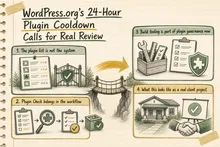
WordPress.org’s plugin release cooldown is a safety buffer, not an update plan. Learn how to inventory, test, approve, and roll back changes safely.
WordPress.org’s plugin release cooldown is a safety buffer, not an update plan. Learn how to inventory, test, approve, and roll back changes safely.
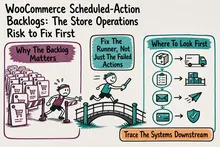
A practical guide to WooCommerce scheduled-action backlogs, what they break in store operations, and how to audit WP-Cron, WP-CLI runners, renewals, and webhooks.
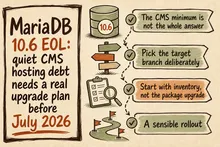
MariaDB 10.6 reaches EOL on July 6, 2026. Here is how WordPress and Drupal teams should scope version choice, testing, backups, and rollback.
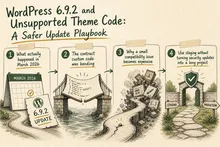
WordPress 6.9.2 exposed unsupported theme-loading code. Learn how to audit template hooks, stage security updates, and reduce emergency troubleshooting.
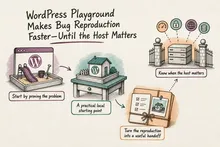
WordPress Playground makes bug reproduction faster and easier to share. Learn when to use the browser, CLI, Blueprints, Docker, or host staging.
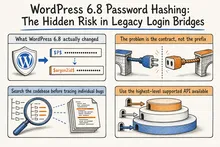
WordPress 6.8 changed password hashing quietly. Learn how to find brittle login bridges, use supported APIs, and test legacy accounts before they fail.
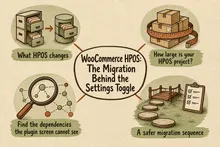
Enabling WooCommerce HPOS on an established store means auditing integrations, synchronising orders, testing business workflows, and planning rollback.
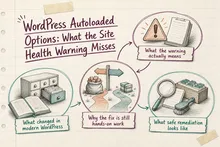
WordPress Site Health can flag bloated autoloaded options, but safe fixes depend on tracing oversized or stale data, save logic, and request-path impact.
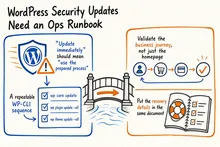
A practical WordPress security update runbook covering backups, WP-CLI execution, database changes, validation, recovery, and clear ownership.
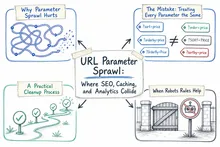
How unmanaged URL parameters waste crawl budget, fragment caches, split analytics, and muddy canonical signals—and how to bring them back under control.