AI disclosure rules belong in your CMS, not a spreadsheet
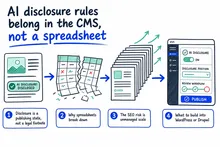
Put AI disclosure, review evidence and publishing controls inside WordPress or Drupal, so accountability and SEO quality survive at scale.
Put AI disclosure, review evidence and publishing controls inside WordPress or Drupal, so accountability and SEO quality survive at scale.
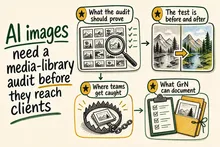
AI-image provenance can change during CMS resizing, optimization, and CDN delivery. Learn how to test the full media path before client approval.
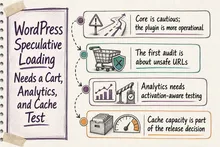
Before enabling WordPress prerendering, test cart state, analytics, personalization, and cache load with this practical speculative loading QA plan.
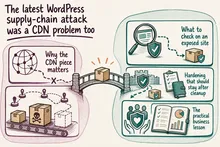
A practical response to the June 2026 WordPress CDN supply-chain attack: who was exposed, what to check, and how to prevent another compromise.
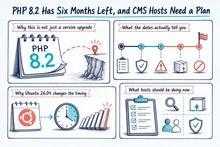
PHP 8.2 support ends on December 31, 2026. Here is a practical plan for testing and migrating WordPress, Drupal, and custom PHP estates.
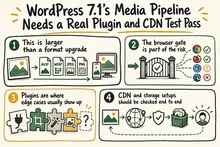
WordPress 7.1 shifts image resizing and format work into the browser. Site owners should test plugins, CSP, fallbacks, and CDN-backed media before rollout.
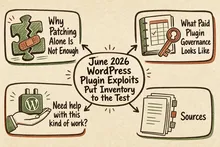
June 2026 WordPress exploits show why businesses need a live plugin inventory, prompt patching and checks for compromise—not updates alone.
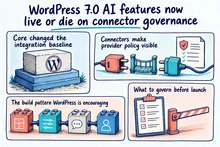
WordPress 7.0 simplifies AI integration, but production success depends on provider policy, credentials, permissions, fallback, and failure design.
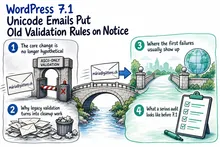
WordPress 7.1 is testing Unicode email support, exposing older assumptions in validation, storage, masking, exports, and CRM hand-offs.
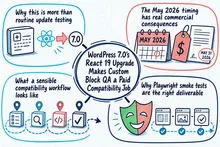
WordPress 7.0 shipped on May 20, 2026. Then, on May 27, the React 19 migration note clarified what custom WordPress teams need to hear plainly: if you run custom blocks or admin UIs, compatibility testing now belongs in a proper engineering budget, not on a casual post-update checklist.